
Navigating Seasonal Trends in International Trading: What You Need to Know
EL
In the dynamic world of international trading, understanding and navigating seasonal trends can be a game-changer. These trends can significantly impact demand, pricing, and supply chain logistics. Whether you're a seasoned trader or new to the market, staying informed about these patterns is crucial for maximizing profits and minimizing risks.
Understanding Seasonal Trends
Seasonal trends in international trading refer to the predictable fluctuations in demand and supply that occur at specific times of the year. These trends are often influenced by factors such as holidays, weather changes, and cultural festivals. For instance, the demand for certain products may spike during the holiday season or drop during summer months.
Key Factors Influencing Seasonal Trends
Several factors contribute to seasonal trends in trading. Holidays and special occasions in different countries can lead to increased demand for specific goods. Similarly, weather patterns can affect the availability of certain products, such as agricultural goods. Understanding these factors can help traders anticipate changes in the market.

Adapting to Seasonal Changes
Adapting to seasonal changes requires a proactive approach. Traders should analyze past data to forecast future trends. This involves studying historical sales data, market reports, and consumer behavior patterns. By doing so, traders can make informed decisions about inventory management and pricing strategies.
Effective Inventory Management
Effective inventory management is crucial during seasonal shifts. Traders should adjust their stock levels based on anticipated demand. Overstocking can lead to increased storage costs, while understocking can result in missed sales opportunities. Utilizing demand forecasting tools can aid in optimizing inventory levels.

Leveraging Technology
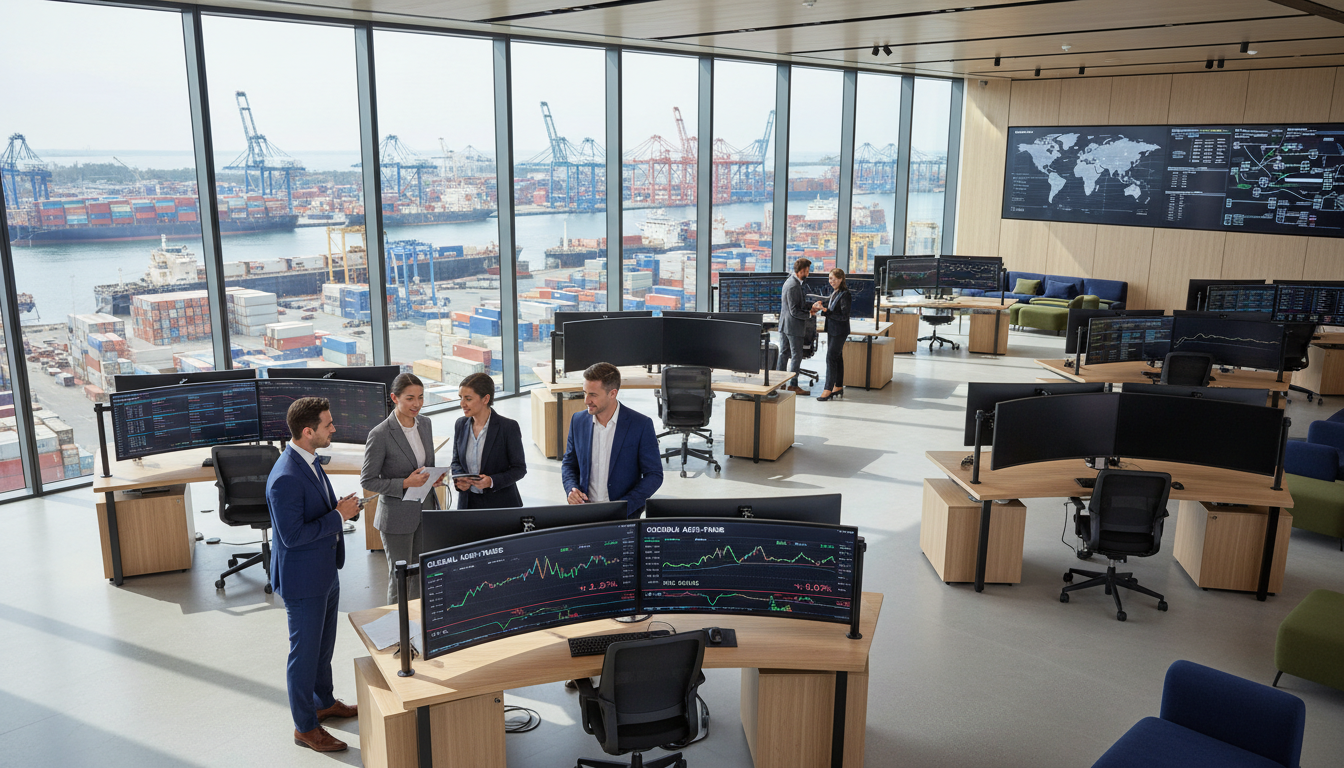
Technology plays a pivotal role in navigating seasonal trends. Advanced analytics tools provide insights into market dynamics, helping traders make data-driven decisions. Additionally, digital platforms enable real-time monitoring of global supply chains, allowing for quick adjustments in response to changing conditions.
Building Strong Relationships
Building strong relationships with suppliers and clients is essential for managing seasonal trends. Effective communication ensures that all parties are prepared for fluctuations in demand. Negotiating flexible contracts with suppliers can provide additional leverage during peak seasons.

Conclusion
Navigating seasonal trends in international trading requires a strategic approach. By understanding the factors influencing these trends and leveraging technology, traders can capitalize on opportunities and mitigate risks. Staying agile and informed is key to thriving in the ever-evolving global market.